

The Complete Guide to Indo-Chinese Cooking
Master the art of restaurant-style Indo-Chinese cuisine at home. From crispy chilli chicken to perfect hakka noodles.
What is Indo-Chinese Food?
Indo-Chinese food is a unique fusion cuisine born in Kolkata, India — a bold marriage of Chinese cooking techniques with Indian spices that tastes like neither and both at once.
Walk into any Indian-Chinese restaurant from London to Dubai to Toronto, and you'll find the same beloved dishes: chilli chicken glistening in its spicy sauce, hakka noodles loaded with vegetables, manchurian dishes with their signature sweet-sour-spicy gravy.
This isn't Chinese food adapted for Indian tastes — it's an entirely separate cuisine with its own rules, techniques, and flavour profile. And once you understand those rules, you can make restaurant-quality Indo-Chinese at home.
The Indo-Chinese Difference
- Bolder spicing — Green chillies, ginger-garlic paste, and capsicum everywhere
- Signature sauces — Schezwan paste, chilli garlic sauce, manchurian gravy
- Crispy textures — Deep-fried or air-fried proteins coated in cornflour batter
- High heat cooking — Wok tossing and quick stir-frying
The History & Origins
The story of Indo-Chinese food begins in Kolkata's Tangra district — a neighbourhood where Chinese immigrants, primarily Hakka people from Canton, settled in the 18th century.
These immigrants opened restaurants and adapted their cooking to local tastes. They kept the wok techniques and soy-based sauces but cranked up the heat with Indian green chillies. They added ginger-garlic paste. They created entirely new dishes that didn't exist in China.
First Chinese settlers arrive in Kolkata
Tangra becomes "Chinatown" — tanneries and restaurants
Indo-Chinese spreads across India via street food vendors
Global diaspora cuisine — found wherever Indians live
By the 1970s and 80s, Indo-Chinese had spread beyond Kolkata. Street vendors in Mumbai, Delhi, and across India started serving "Chinese" food from their stalls — but it was this Indianised version, not authentic Cantonese.
Today, Indo-Chinese is a global cuisine. From London's Brick Lane to Toronto's Gerrard Street to Dubai's Karama, you'll find these dishes wherever the Indian diaspora lives.
The Flavor Profile
Indo-Chinese cooking follows what we call the S.S.S.U. framework — four pillars of flavour that every dish balances:
Salty
Soy sauce (light and dark), salt
Sour
Rice vinegar, white vinegar, tomato
Sweet
Sugar, ketchup, honey
Umami
Soy sauce, MSG (ajinomoto), oyster sauce
The magic happens when these four elements are in balance. Too much soy and the dish tastes muddy. Too much vinegar and it's harsh. Get it right, and you have that characteristic Indo-Chinese "restaurant taste" that keeps people coming back.
Learn more: Our Sauce Architecture lesson teaches you exactly how to balance these flavours.
Essential Sauces
Stock these sauces and you can make almost any Indo-Chinese dish. Most last months in the fridge.
Light Soy Sauce
EssentialThin, salty, used for seasoning. The workhorse sauce.
Dark Soy Sauce
EssentialThick, less salty, adds colour and depth. Used sparingly.
Schezwan Sauce/Paste
EssentialFiery red chilli paste with Sichuan peppercorns. The signature Indo-Chinese heat.
Chilli Garlic Sauce
EssentialChunky garlic and red chilli sauce. Adds punch to any stir-fry.
Rice Vinegar
EssentialMild acidity that brightens dishes. White vinegar works as a substitute.
Oyster Sauce
RecommendedRich umami depth. Used in stir-fries and noodle dishes.
Sesame Oil
RecommendedToasted sesame oil for finishing. A few drops transform a dish.
Tomato Ketchup
RecommendedYes, really. Adds sweetness and colour to manchurian-style sauces.
Go deeper: Check out our complete sauce guide for buying recommendations and homemade recipes.
Key Cooking Techniques
Master these techniques and you'll nail Indo-Chinese cooking every time.
Wok Mastery
Heat control, tossing technique, and getting "wok hei" at home without restaurant flames.
Learn technique →Knife Skills
Julienne, dice, and bias cuts. How you cut vegetables determines how they cook.
Learn technique →Sauce Architecture
The S.S.S.U. framework and the cornflour slurry technique for glossy sauces.
Learn technique →Air Fryer Secrets
Get restaurant-crispy results without deep frying. 80% less oil, same crunch.
Learn technique →Mise en Place
The tray method for organized cooking. Prep by cooking stage, not by ingredient.
Learn technique →Pantry Essentials
The 10 essential ingredients and how to shop for them in stages.
Learn technique →Pro Tip: Velveting
The secret to tender, silky chicken in Indo-Chinese dishes is velveting — coating the meat in egg white, cornflour, and a splash of oil before cooking. This creates a protective layer that keeps the chicken juicy even at high heat. We cover this in our knife skills lesson.
Must-Have Ingredients
Beyond the sauces, these are the fresh ingredients you'll use constantly.
Aromatics
- Garlic — Used generously, often double what you'd expect
- Ginger — Fresh, finely minced or grated
- Spring onions — Both white and green parts, in everything
- Green chillies — Slit or chopped, for fresh heat
Vegetables
- Capsicum (bell pepper) — The signature crunch
- Onions — Cut in squares for stir-fries
- Cabbage — Shredded for noodles and rice
- Carrots — Julienned thin
Starches & Thickeners
- Cornflour (cornstarch) — For coating and thickening sauces
- Hakka noodles — Thick wheat noodles, available in Asian stores
- Basmati rice — Day-old, cold rice works best for fried rice
Optional But Recommended
- MSG (Ajinomoto) — The controversial umami booster that restaurants use
- Celery — Adds authentic flavour to manchurian dishes
- Szechuan peppercorns — For authentic schezwan numbing heat
Shopping guide: Our pantry essentials lesson shows you how to build your Indo-Chinese pantry in stages, without overwhelming your budget.
Recipe Collection
Every recipe on this site is tested for the home kitchen. No restaurant equipment needed — just your regular stove (or air fryer) and basic utensils.
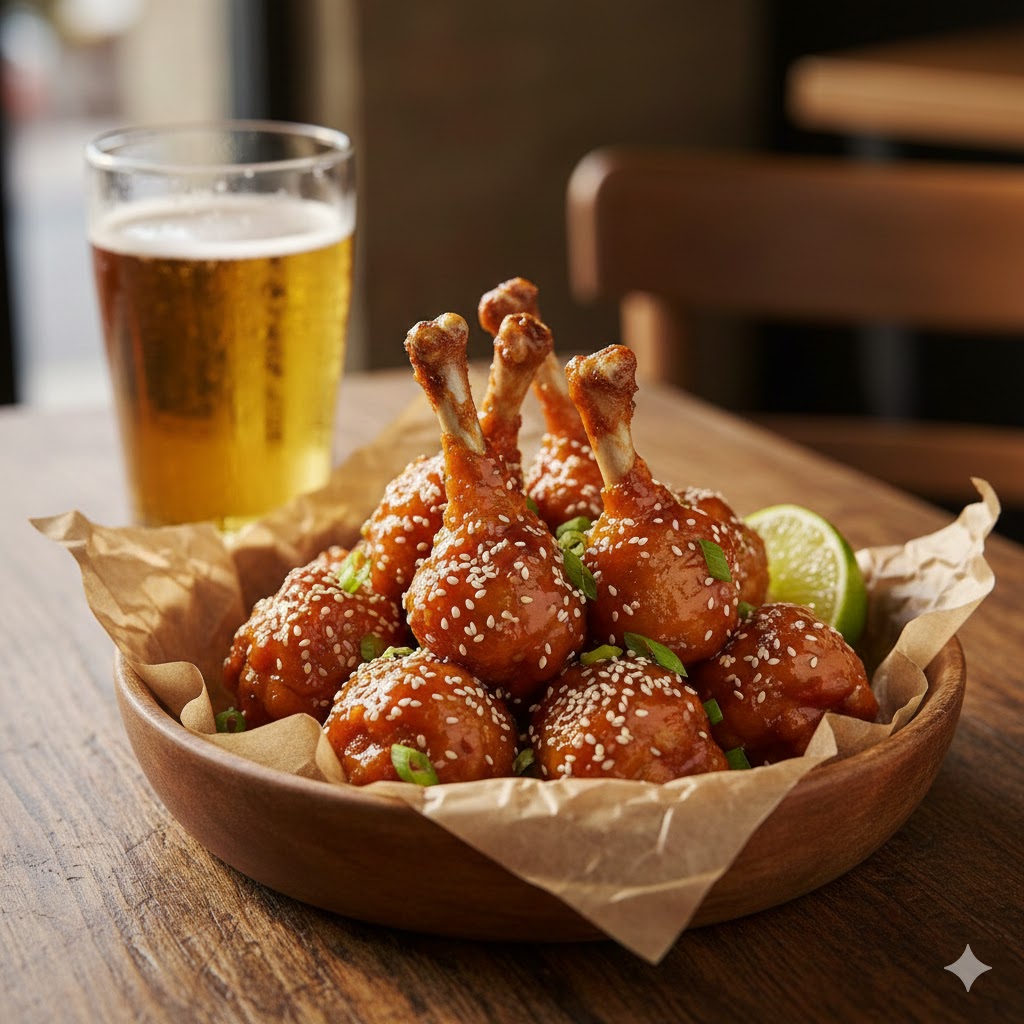
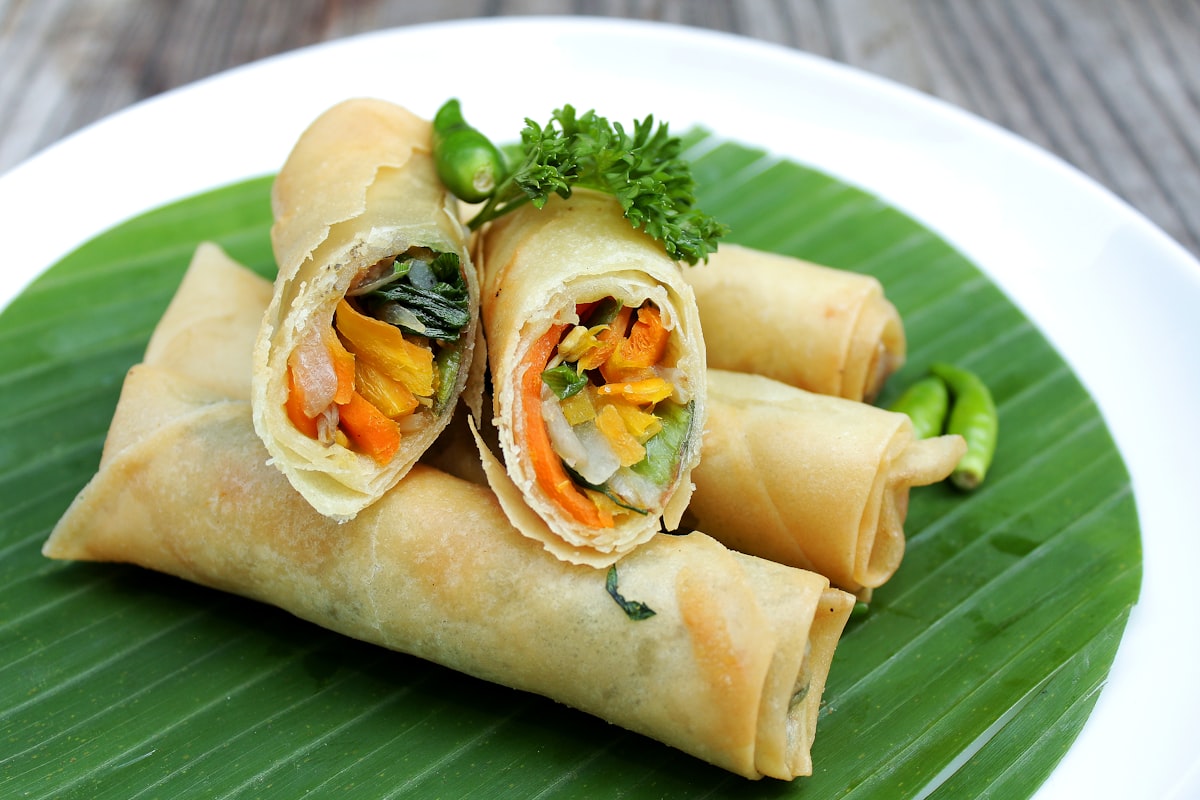
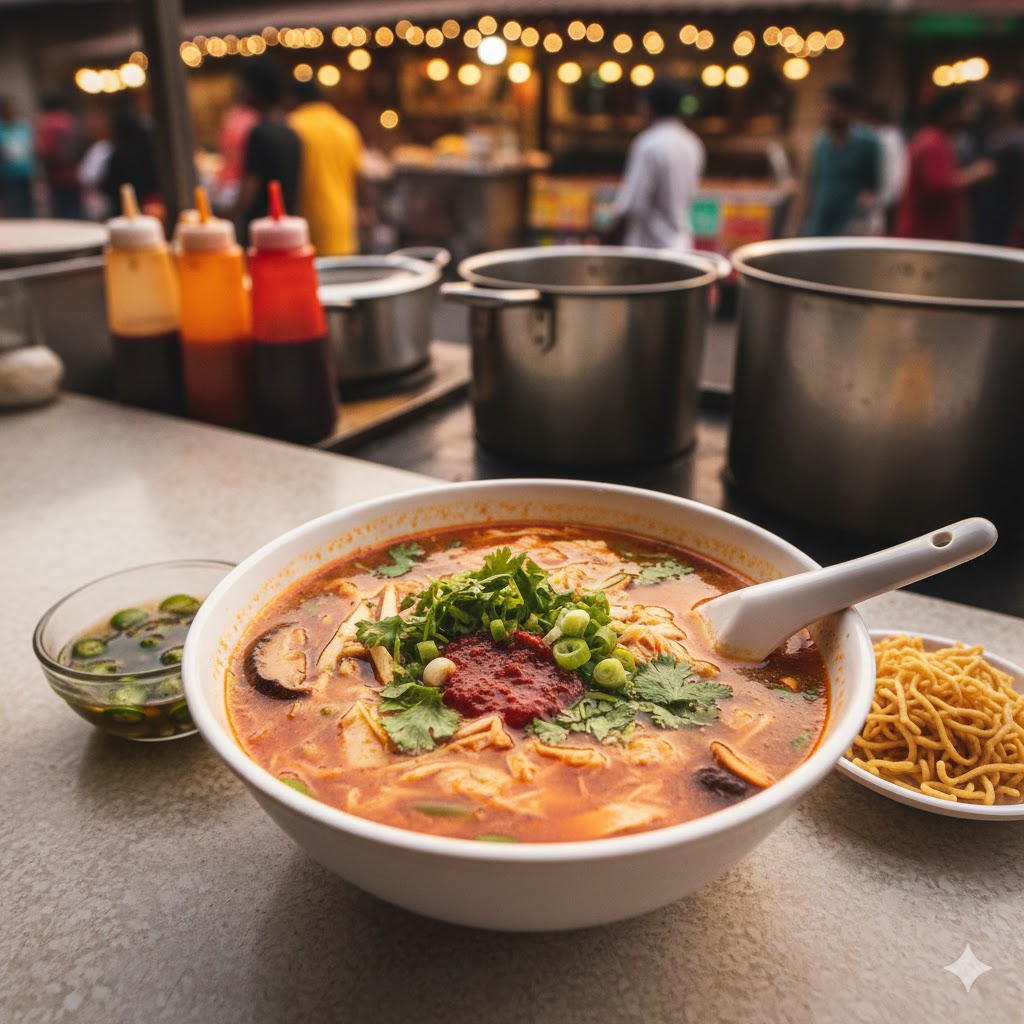
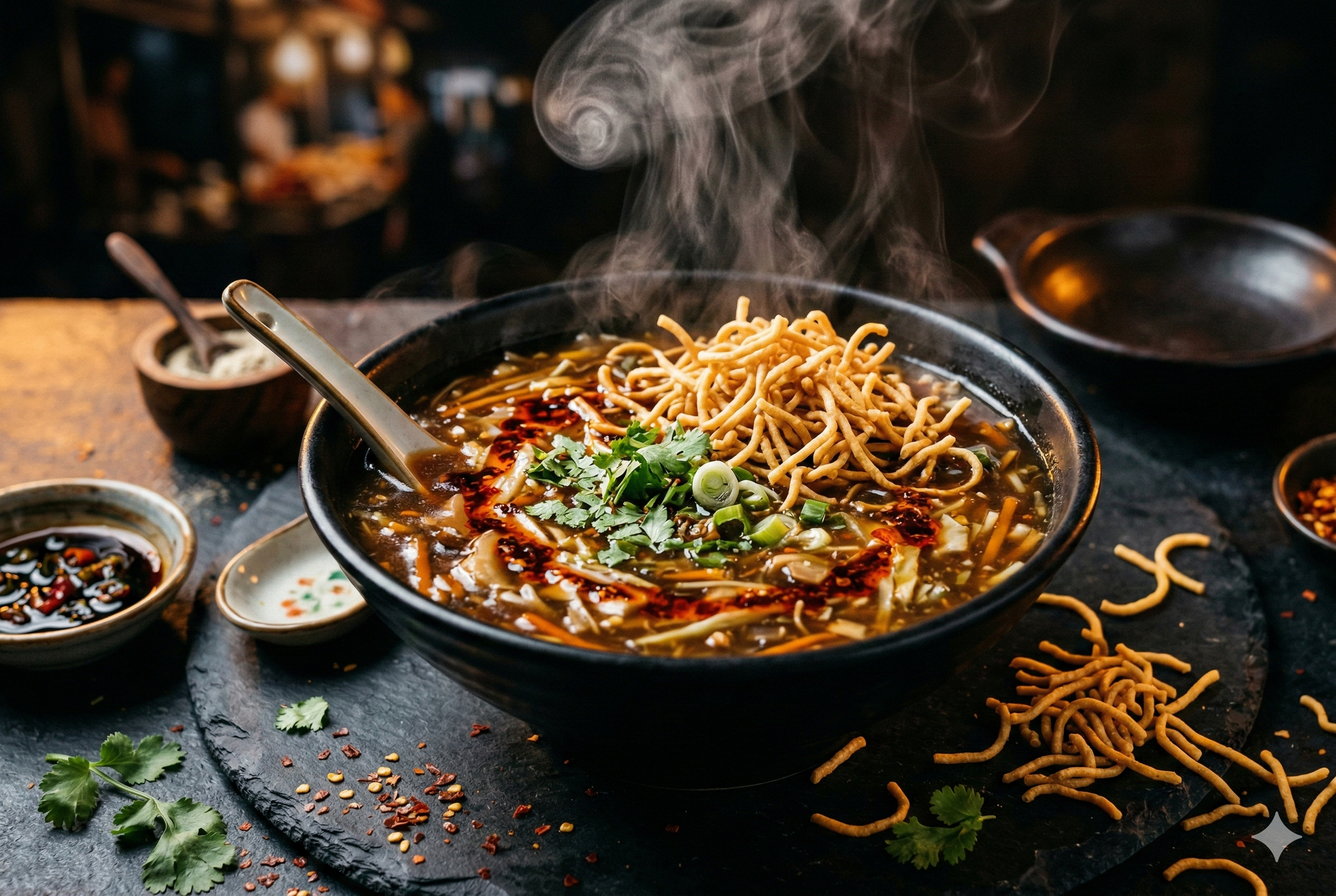
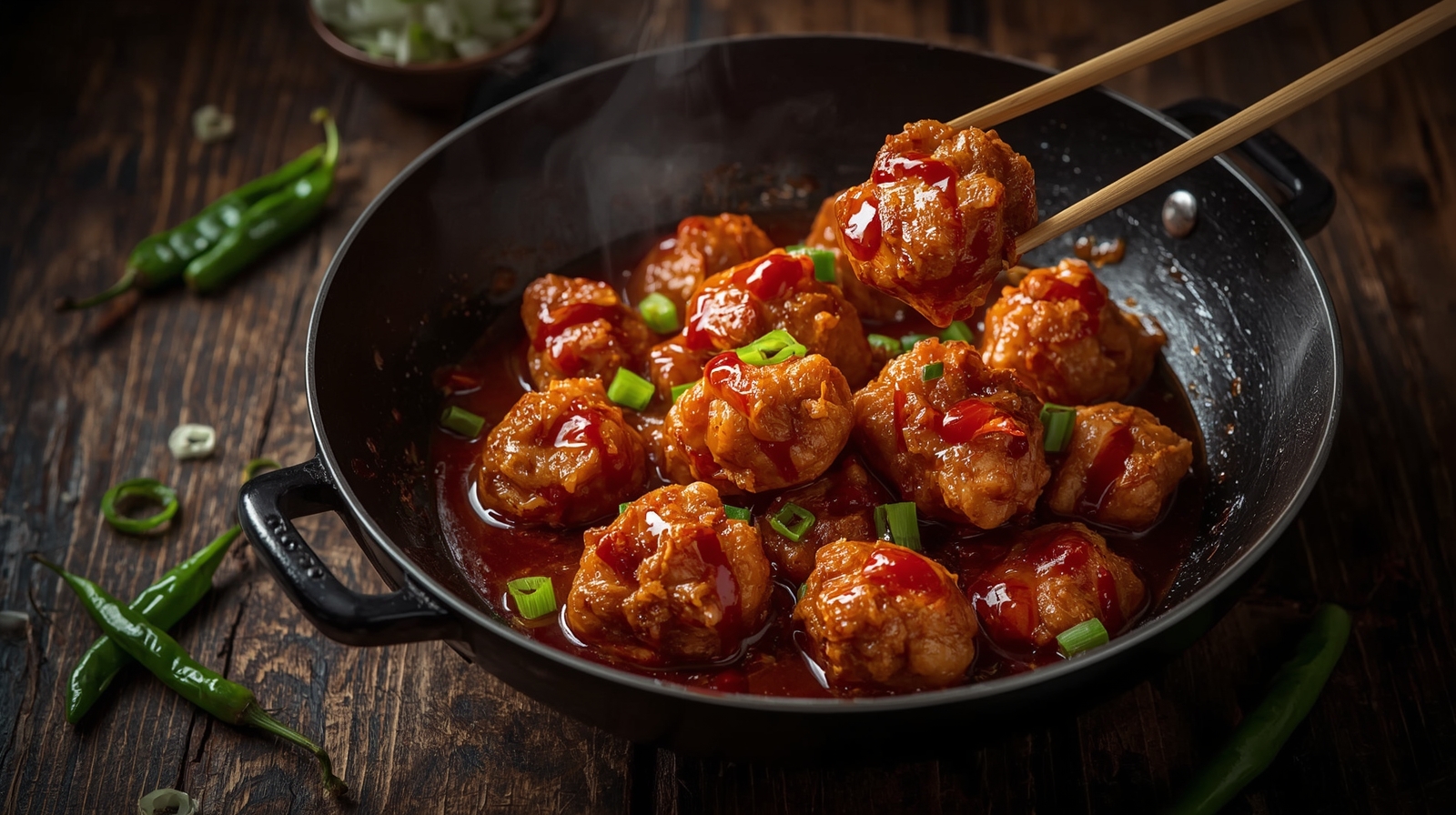
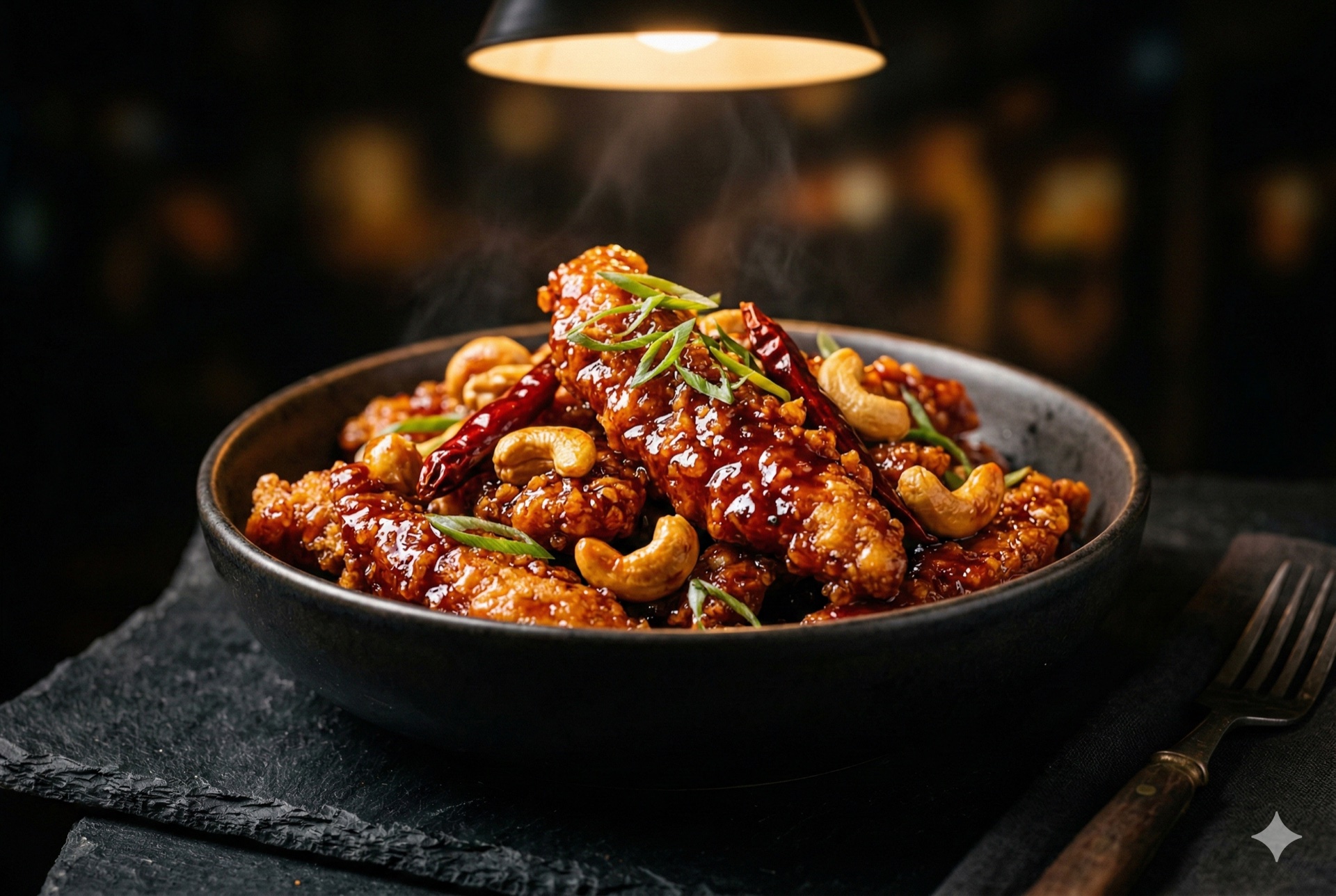
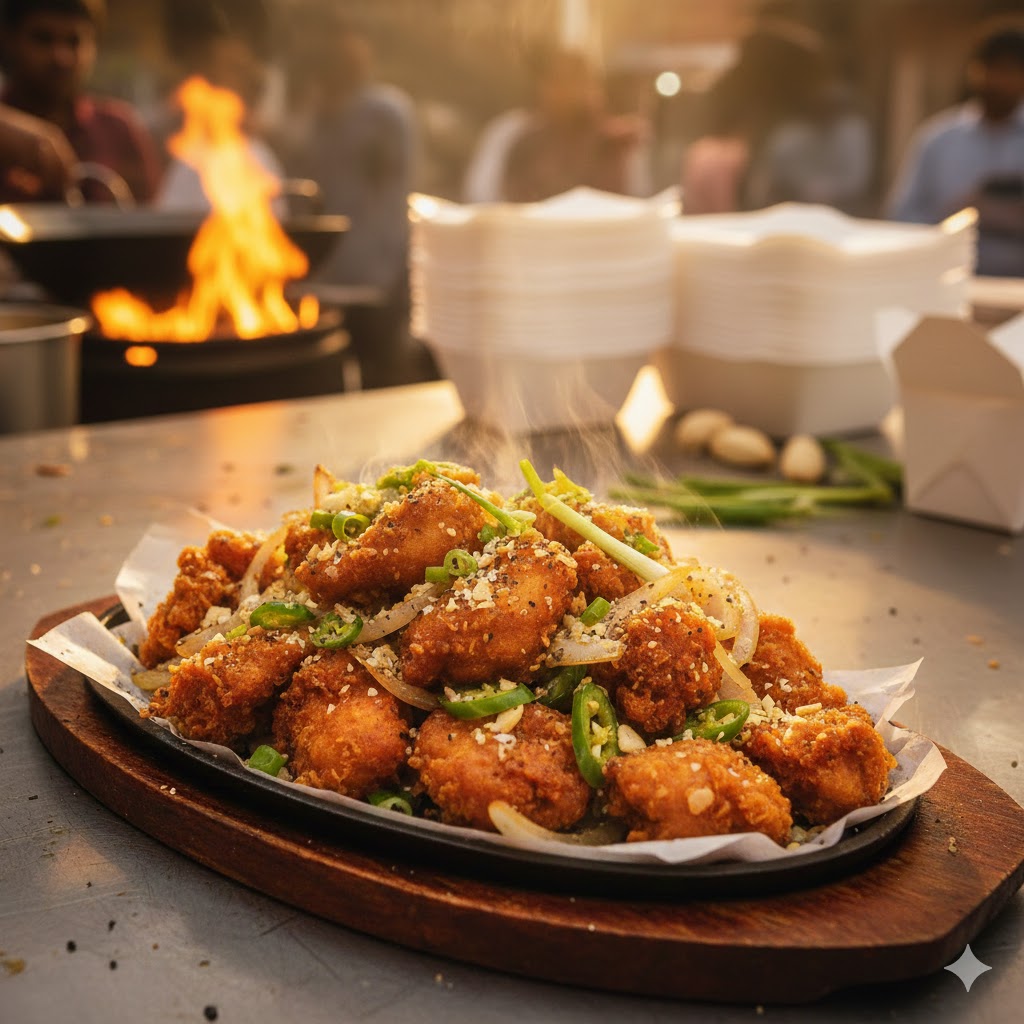
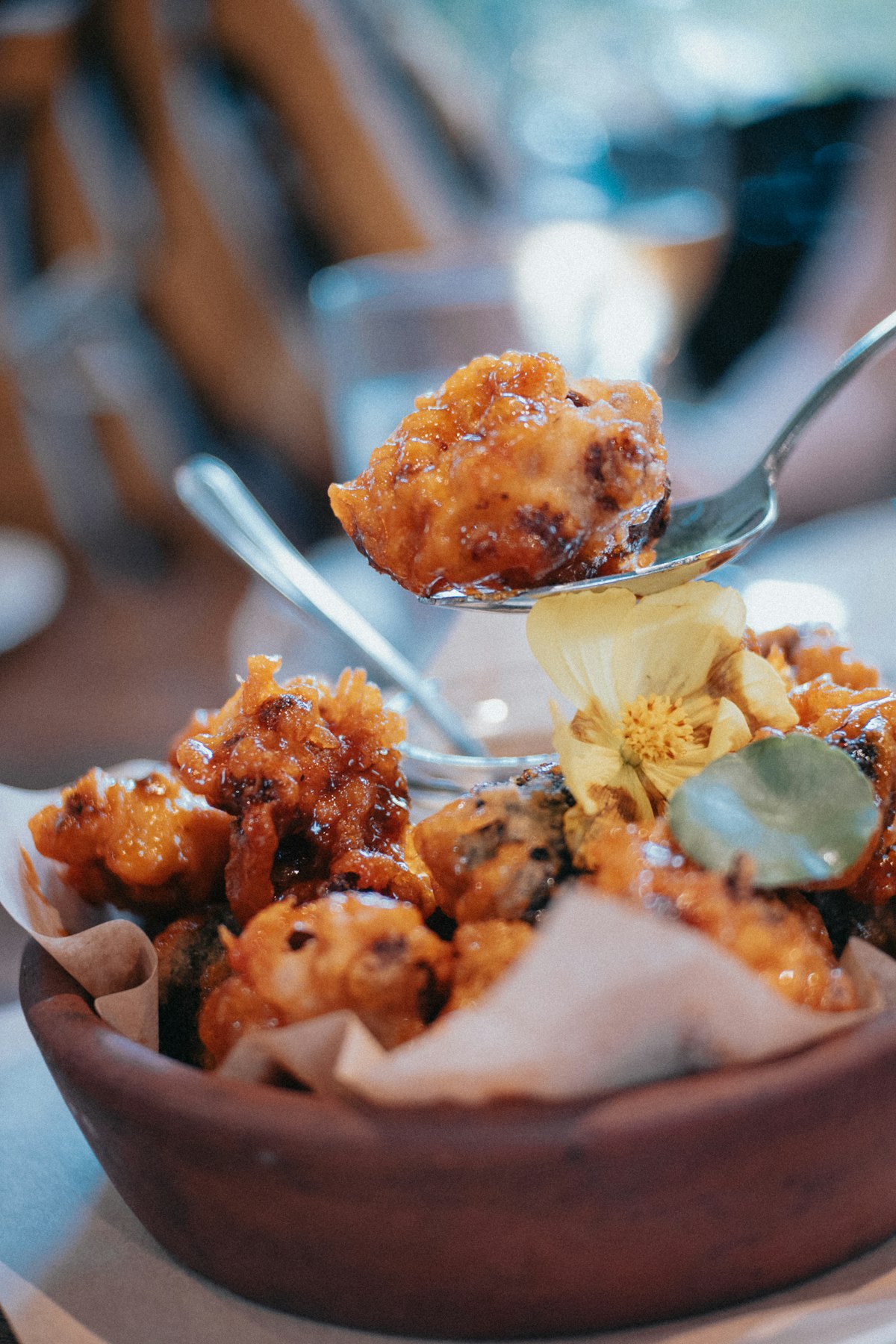
Starters & Soups
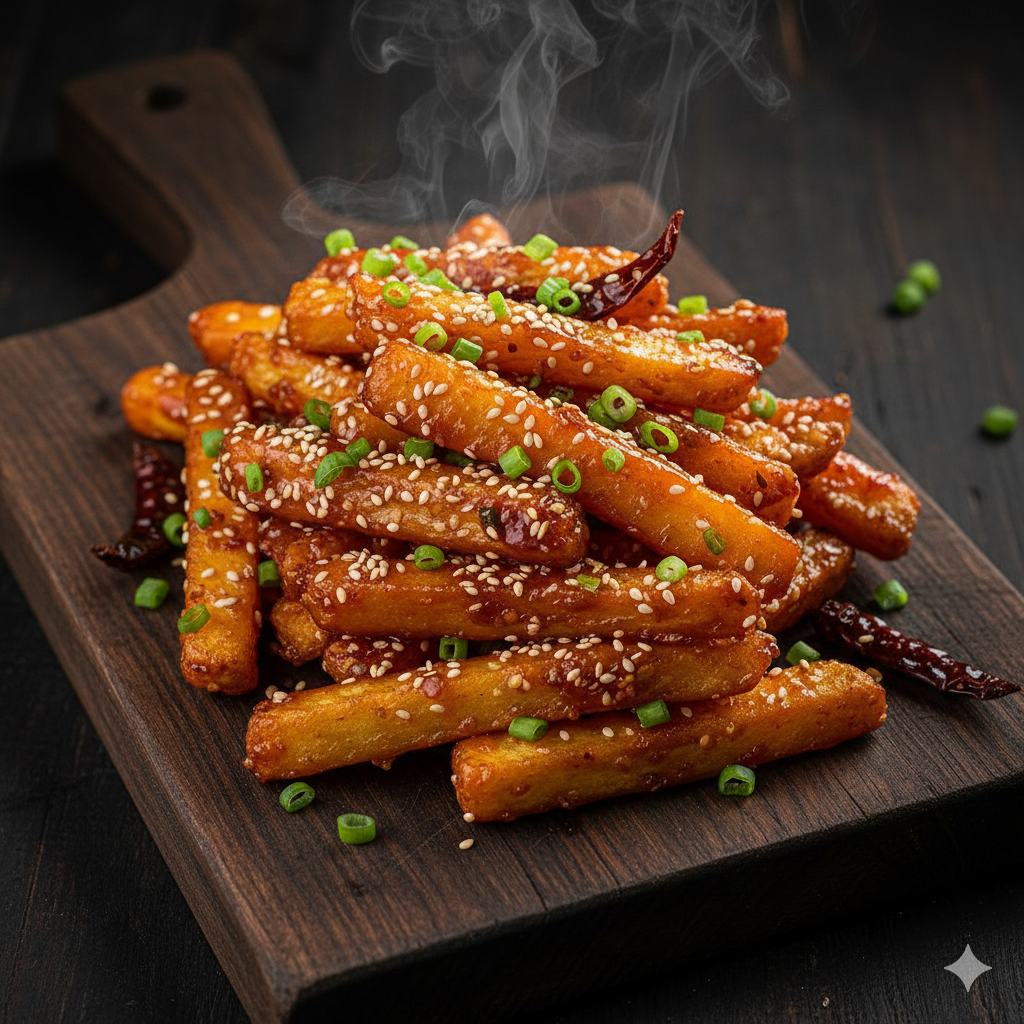
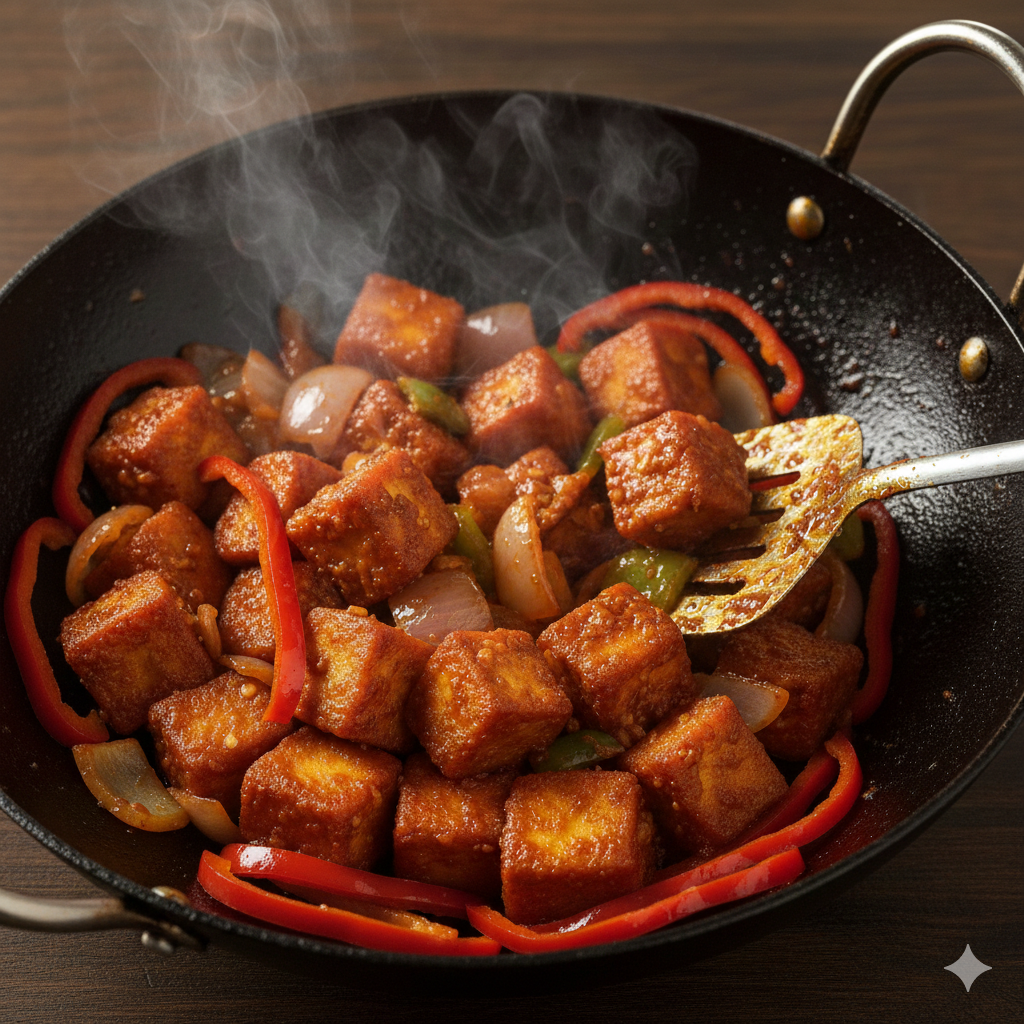
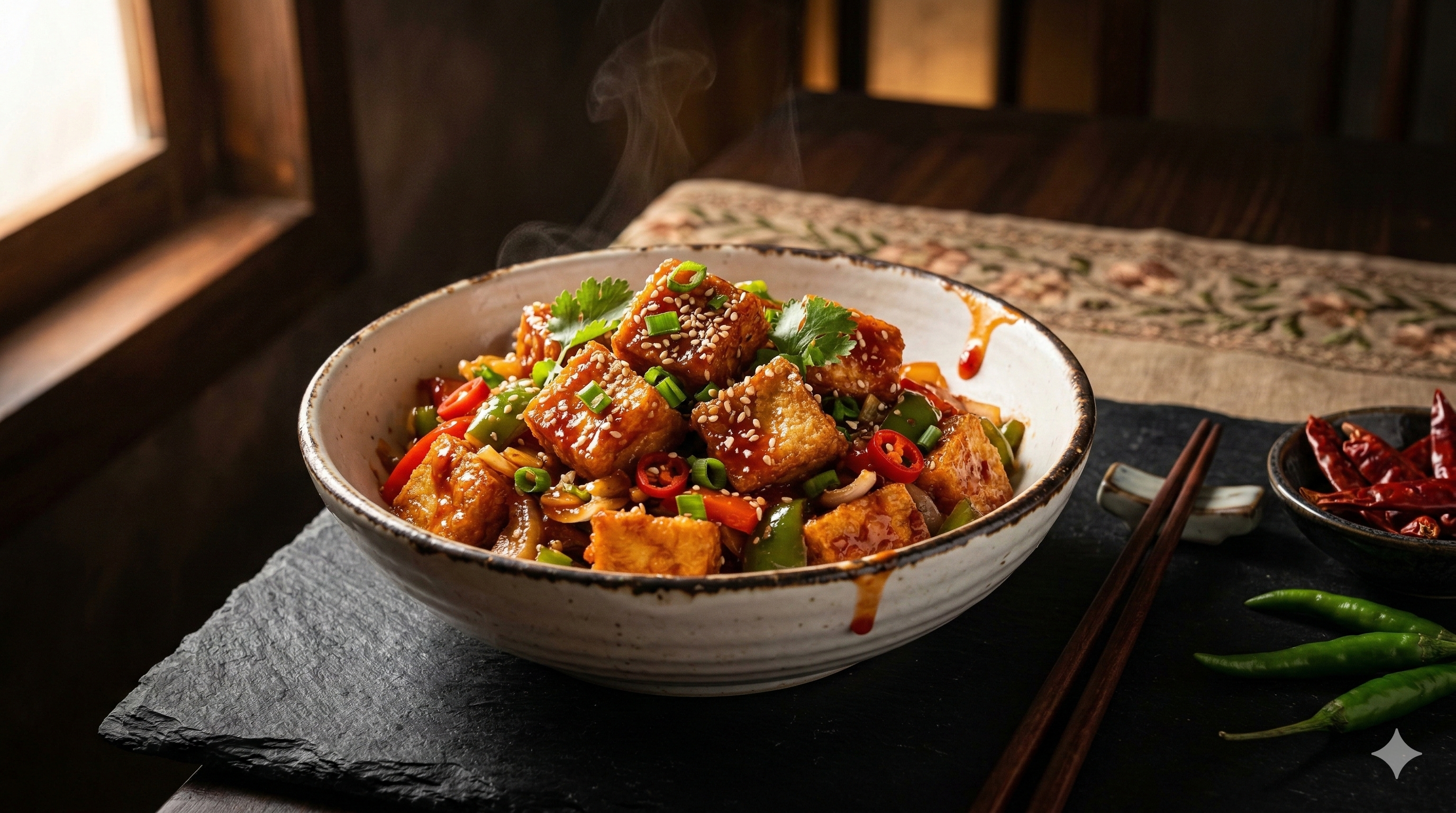
Vegetarian Dishes
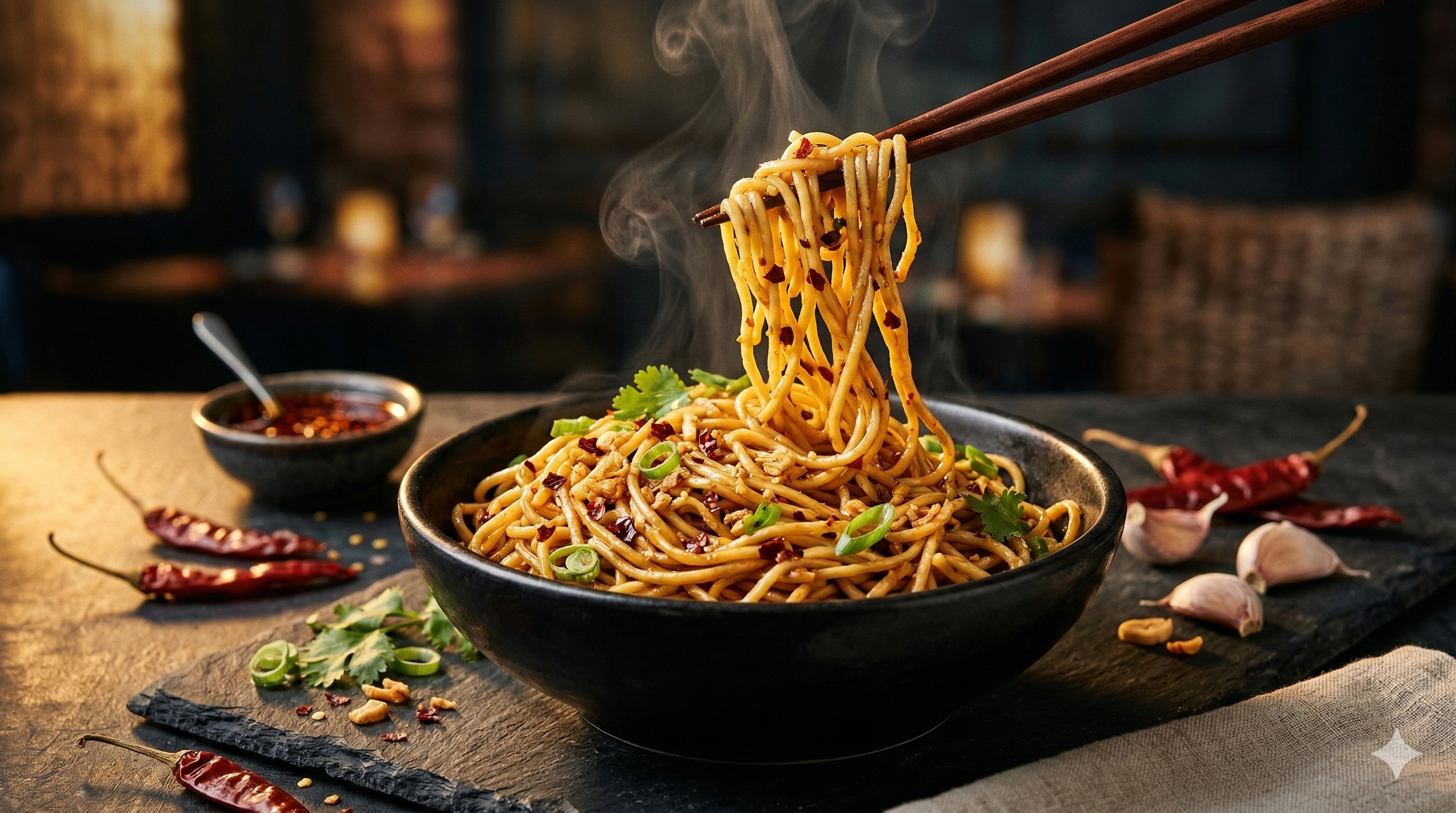
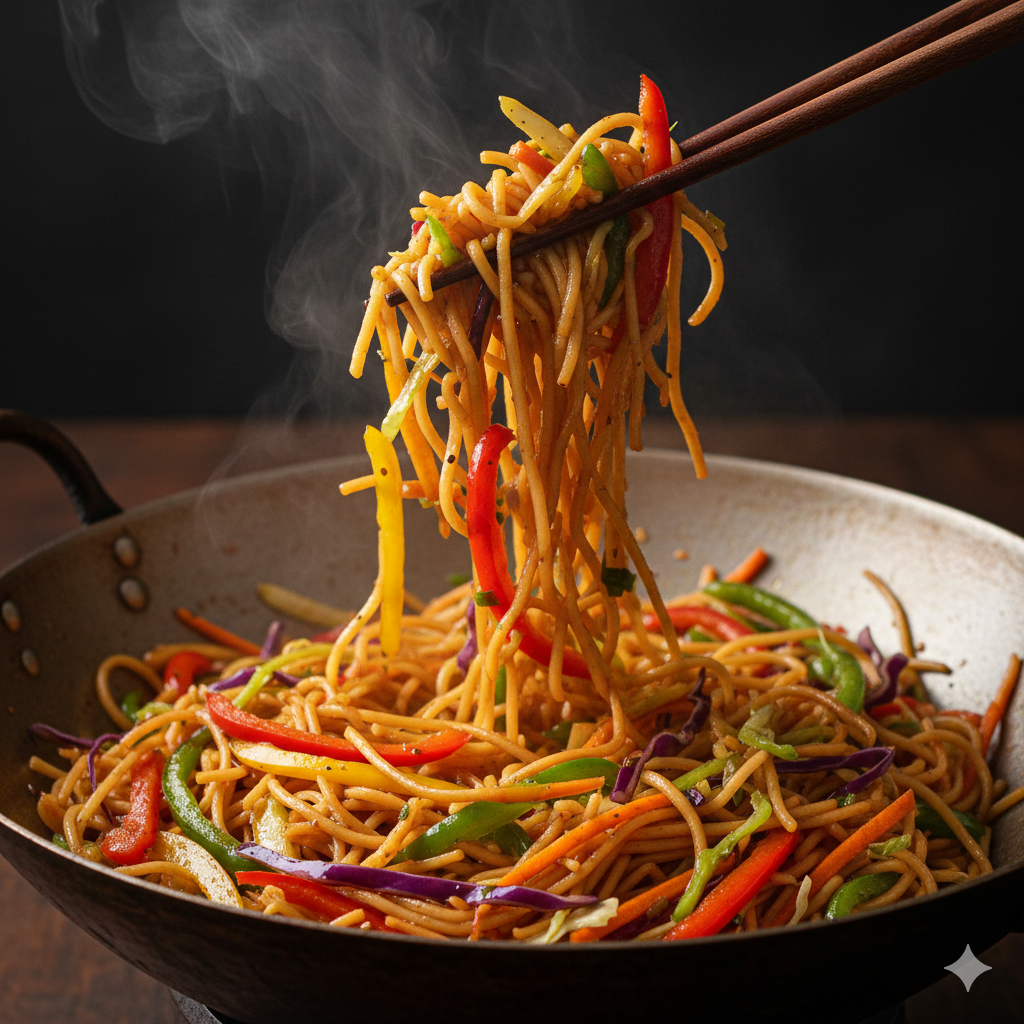
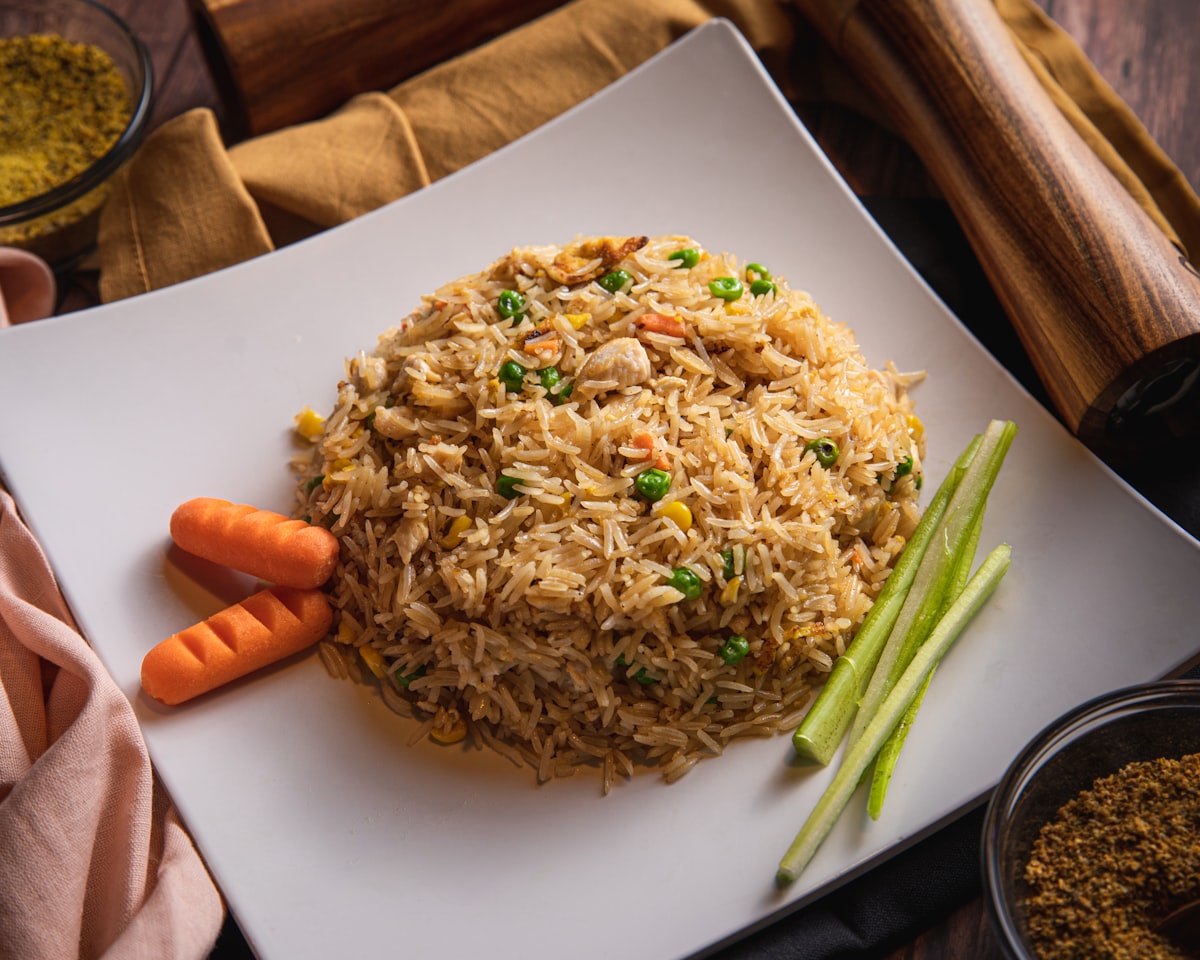
Noodles & Rice
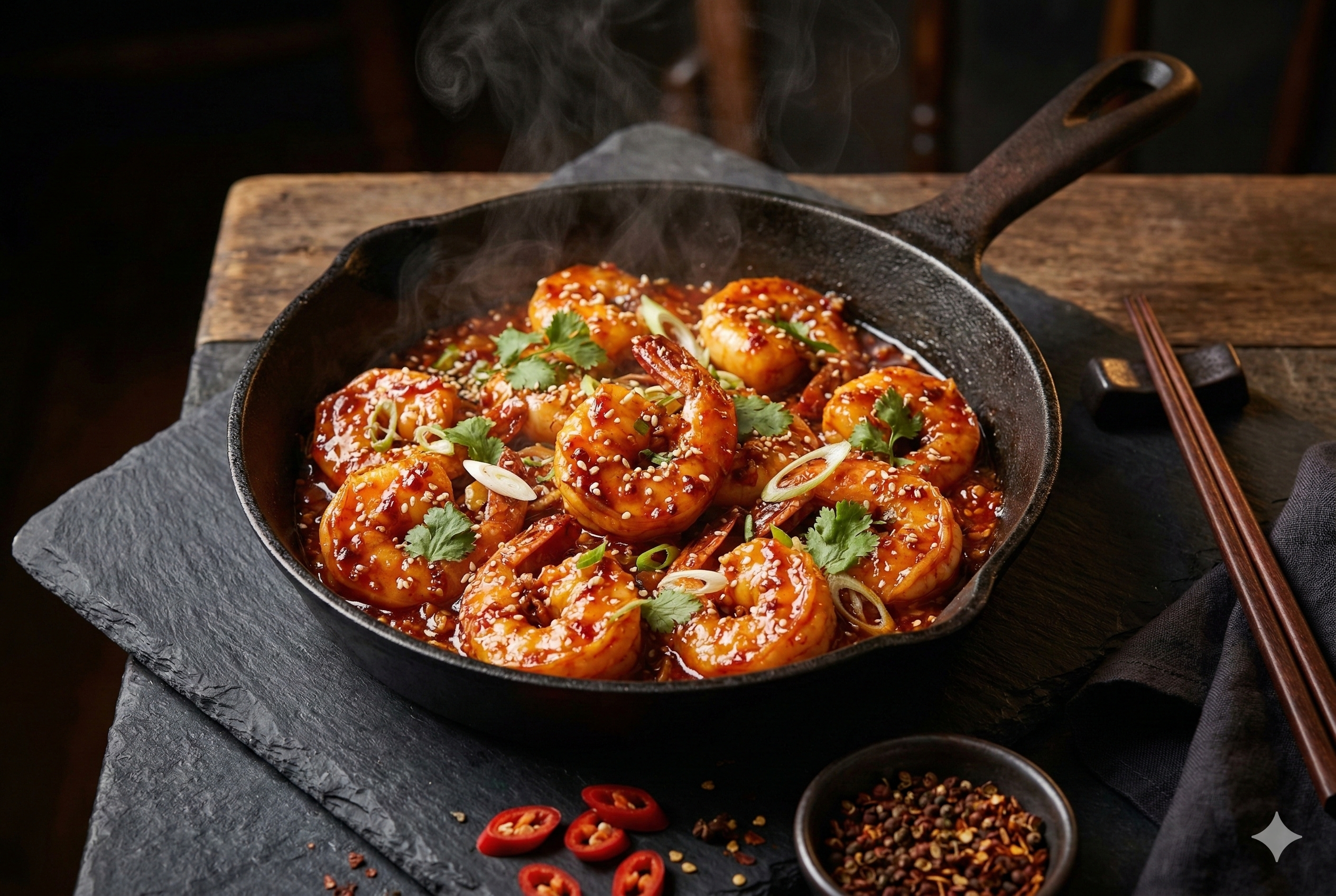
Seafood
Comparison Guides
One of the most common questions we get: "What's the difference between X and Y?" These deep-dive comparisons break down the distinctions that matter.
Chilli Chicken vs Dragon Chicken
Two iconic chicken dishes with different heat levels. Learn when to choose each and what makes them unique.
Hakka Noodles vs Chow Mein
Indo-Chinese noodles vs Chinese-American classics. Compare origins, textures, and flavour profiles.
Manchurian vs Szechuan
Tangy Indo-Chinese sauce vs fiery Sichuan heat. Understand the má là sensation and when to use each style.
Dry vs Gravy
The eternal Indo-Chinese debate. Crispy starters vs saucy mains—learn when each style shines.
Frequently Asked Questions
What is Indo-Chinese food?
Indo-Chinese food is a unique fusion cuisine that originated in Kolkata, India, created by the Chinese community who settled there in the 18th century. It combines Chinese cooking techniques with bold Indian spices, resulting in dishes like chilli chicken, hakka noodles, and manchurian that taste distinctly different from both traditional Chinese and Indian food.
What are the most popular Indo-Chinese dishes?
The most popular Indo-Chinese dishes include Chilli Chicken (crispy fried chicken in spicy sauce), Gobi Manchurian (crispy cauliflower in manchurian sauce), Hakka Noodles (stir-fried noodles with vegetables), Schezwan Fried Rice, and Manchow Soup.
What makes Indo-Chinese different from Chinese food?
Indo-Chinese food is spicier and bolder than traditional Chinese cuisine. It uses Indian ingredients like green chillies, ginger-garlic paste, and capsicum alongside Chinese staples like soy sauce and vinegar. The cooking style emphasizes high heat, crispy textures, and robust sauces that appeal to Indian palates.
What sauces are essential for Indo-Chinese cooking?
Essential sauces include: soy sauce (both light and dark), schezwan sauce (spicy chilli paste), chilli garlic sauce, vinegar, oyster sauce, and sesame oil. Check our sauce guide for buying recommendations.
Can I make Indo-Chinese food without a wok?
Yes! While a wok is ideal, a large, heavy-bottomed skillet or frying pan works well. The key is high heat and not overcrowding the pan. Our wok mastery lesson covers alternatives for home kitchens.
Is Indo-Chinese food healthy?
Restaurant Indo-Chinese food is often deep-fried and high in sodium. Our recipes use air frying and controlled seasoning to make healthier versions without sacrificing flavour. Many recipes use 80% less oil than traditional methods.
Ready to Start Cooking?
Begin with our most popular recipe — Chilli Chicken. It's the perfect introduction to Indo-Chinese cooking.